
Call and Response
a collaborative experiment.

If the newsletter is truncated in your email, you can click on "View entire message," and you will be able to view the entire post.
You have probably heard of the saying: “A photo says more than a thousand words.” An image can evoke thoughts and emotions, or leave you entirely unmoved. There is never just one universal reaction, even when the photographer intended to express a specific feeling or make a certain statement. The reasons we connect with or dismiss an image are as varied as we are.
That is why if you show a photo to ten different people, you will most likely get ten different reactions.
I have collaborated with many people over the years - always one at a time, always on different subjects. A few weeks ago, I found myself wondering: what would it be like if I were to invite several people to collaborate with me all at the same time?
The idea was simple: I would share a photo in my newsletter and invite anyone who felt like responding to it, whether with photography, collage, writing, poetry, painting, or drawing. Every response was welcome.
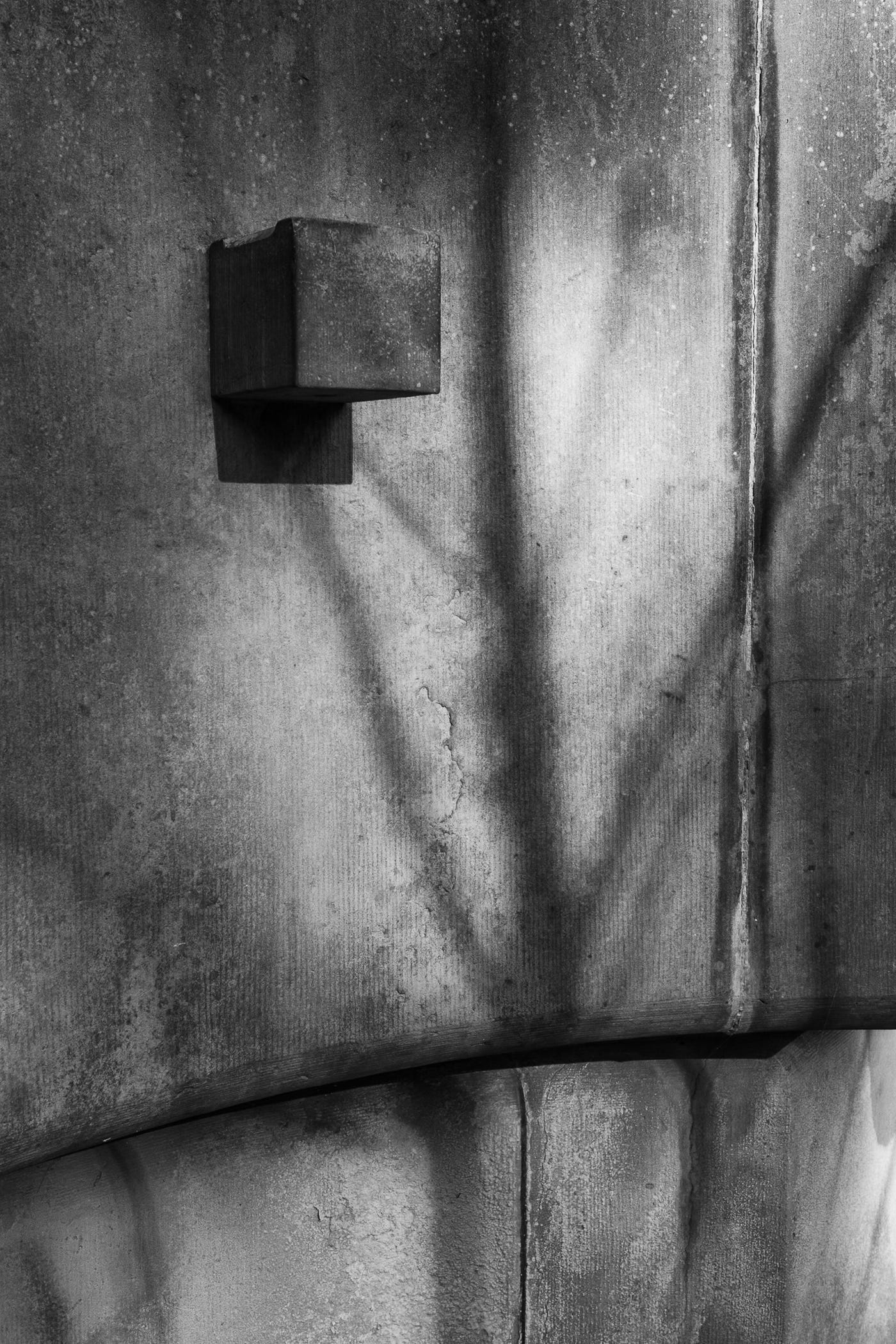
It took me several days to decide on which photo to choose. I opted for a black and white image, because the colour aspect can make it sometimes more difficult to respond, at least in my opinion.
I don’t know what made me choose this image in the end. I am aware that it is a difficult one. It is rather oppressive, and the hard, cold surface of the concrete wall gives it a somewhat depressive feel. And while that was the state I found myself in when I made that photo, I was more drawn to the light and the lines created by the tree’s shadow on the wall when I picked it.
When I sent out my invitation, I didn’t know whether anyone would be interested in this kind of experiment. The only way to find out was to try.
And what can I say? The response moved me. Fifteen artists here on Substack answered the call — fifteen interpretations I’m deeply grateful for.
I will present you each pairing alongside a few words that came to me when I looked at them together. If you would rather let the images speak for themselves, feel free to skip the writing.
So, without further ado - let’s dive right in.
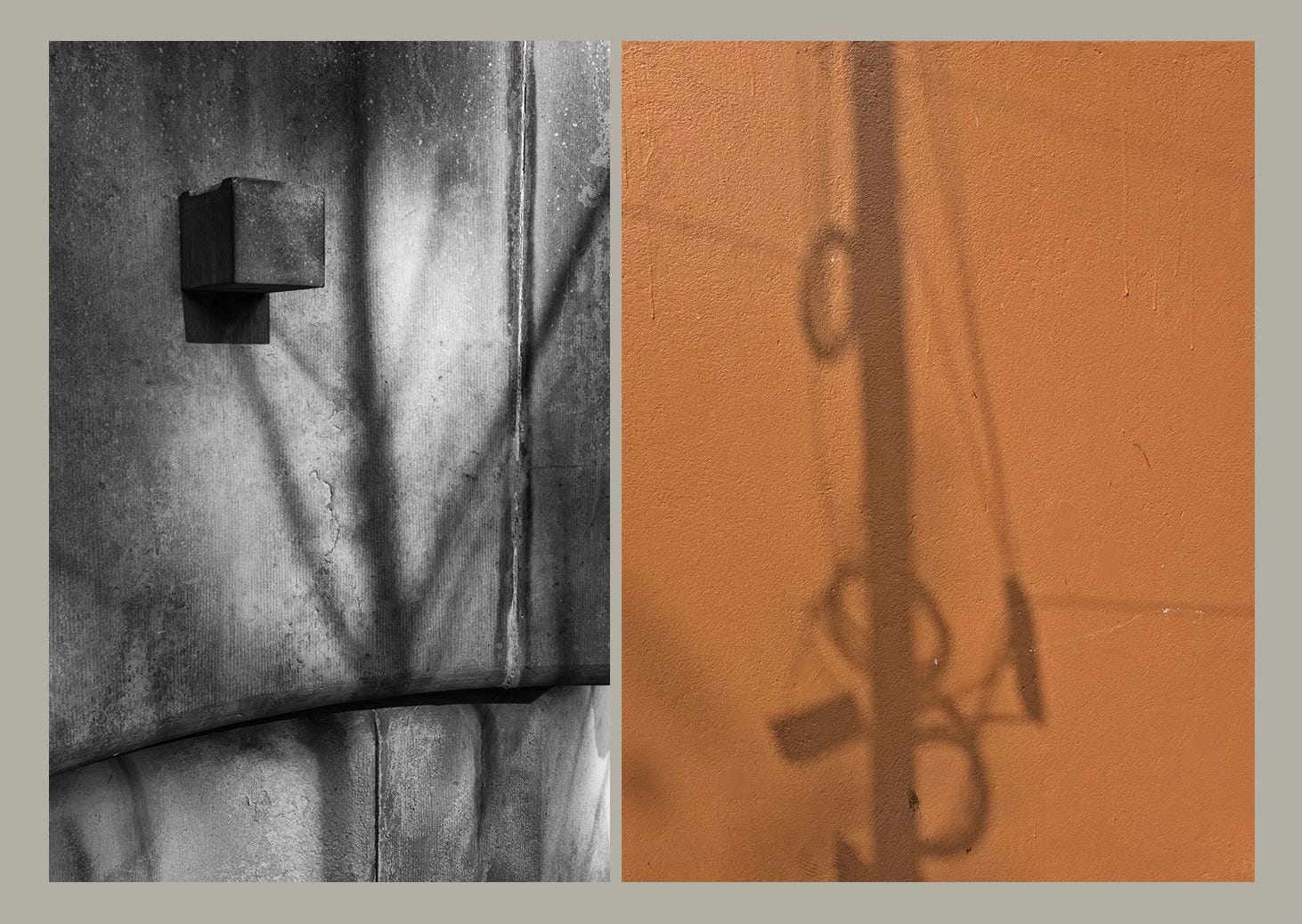
The first response came from Koustav Acharya. Koustav wrote:
“I shot this with my phone on an early morning about a month ago. The shadow of a telephone/electric pole falls on an orange wall, bathed in the early morning sun.”
I love how Koustav picked up on the theme of light and shadow here. And warm orange wall feels like a perfect counterpart to my monochrome one. Seen side by side, my photograph feels a little lighter somehow.
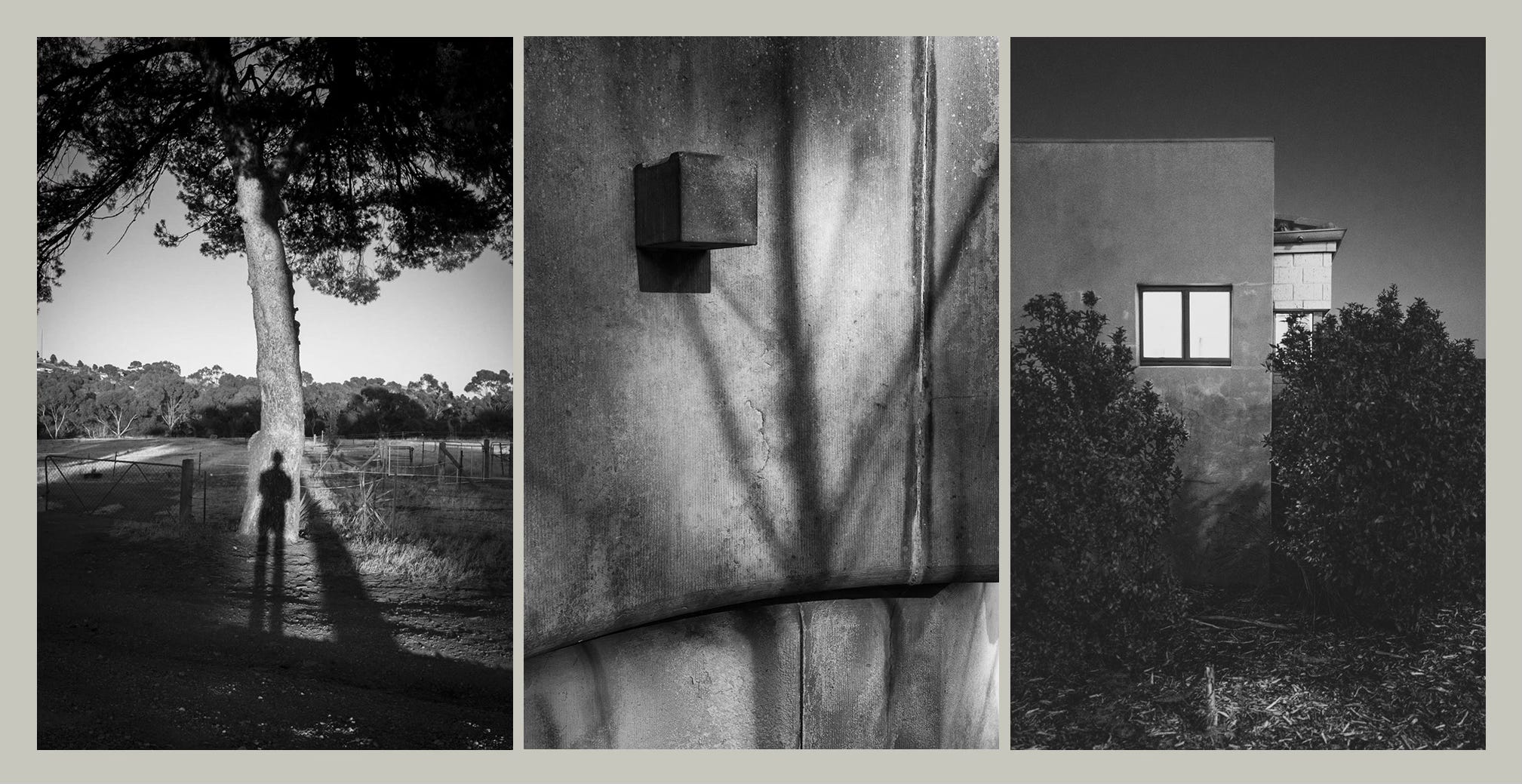
Ross from Ross Duncan gets curious. actually sent me two photographs along with this note:
One I have included is of a suburban cityscape, taken in Perth Western Australia. I like the way the two square elements in the photographs create a similar visual draw for the viewer. The other image, a shadow against an old tree, is taken in the outback town of Burra. I feel it references the tree branch aspect of your image while also including some nice textural elements.
I decided to show them as a triptych because they all seem to connect, each picking up an aspect from the other. And somehow, in this company, my photograph takes on a nocturnal quality it didn't have before.
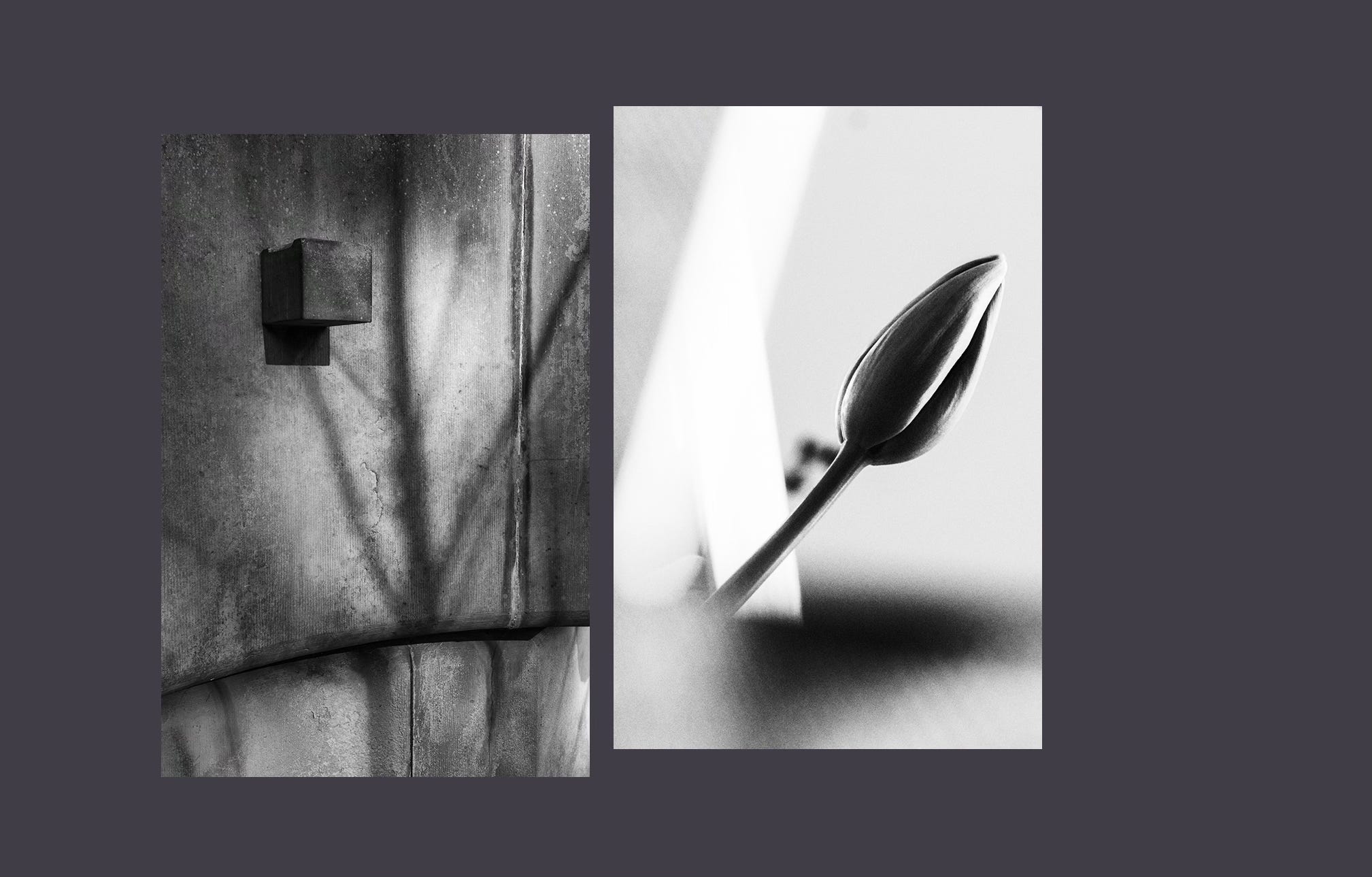
The visual response I received from Leon Goossens picks up the stillness in my photograph, and I love how they balance each other. Leon wrote:
What stood out to me most was your play of shadows. The light rays in my photo create a nice contrast, yet also complement it because they share the same shape and direction. Dark and light, rough and fragile, shadow and light, life and death… it all depends on what you choose to see…
So very true.
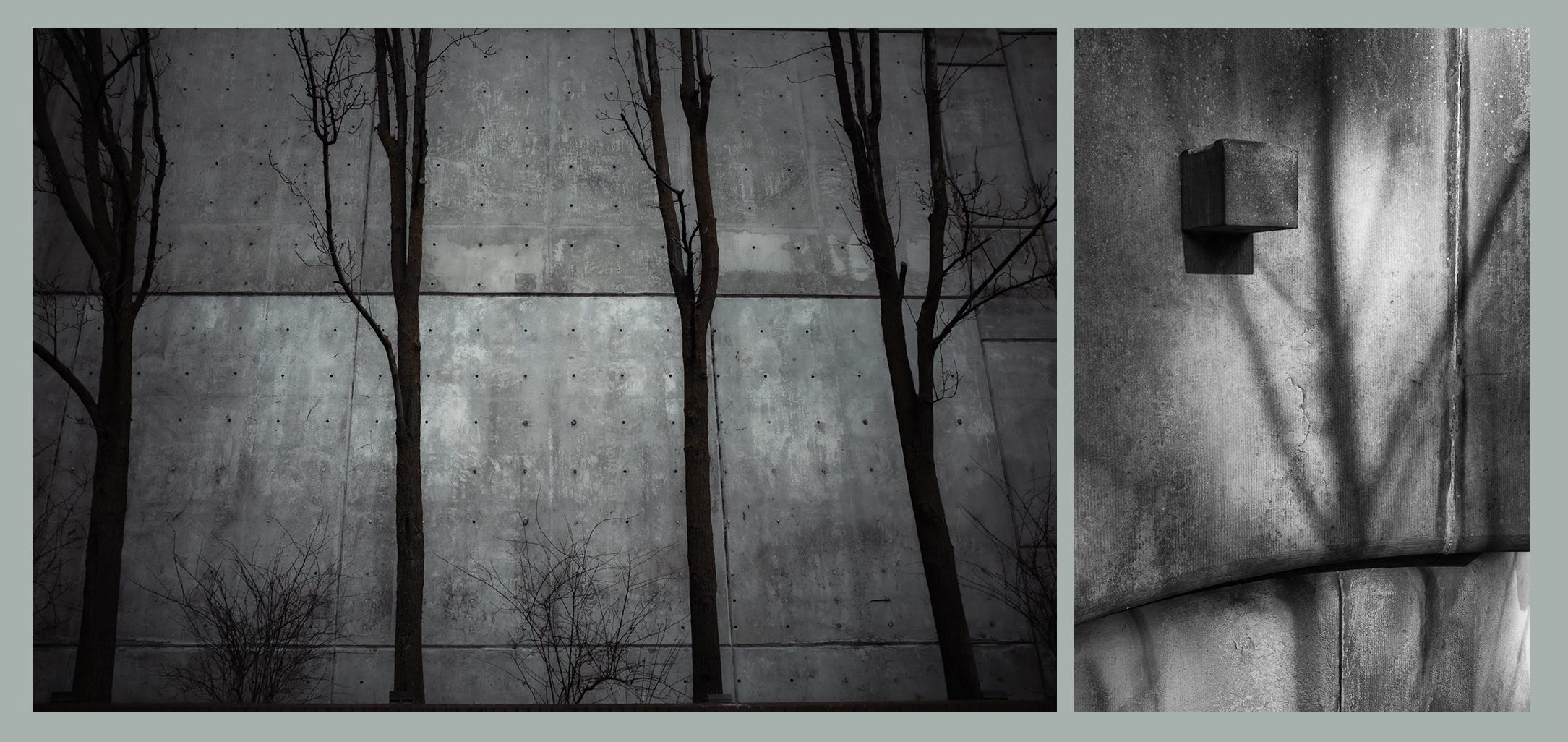
This photograph from Paul Votava came with the following words:
"The dark winter monochromatic tones of the photo and the cubes of shaped concrete wall echo your shadow and square, perhaps the mood. These are actually not shadows, they are trees planted so close to the wall, and the cloudy day made no shadow. Now they are, of course, blooming and green, such a contrast with their winter’s sleep.”
My first reaction was that Paul’s photo felt even more oppressive than mine. It reminded me of the giant concrete bunkers built during WWII, which you can still find all over Europe. With no sky, the dark and heavy tones, and the missing light, it could also be easily a still from an apocalyptic movie.
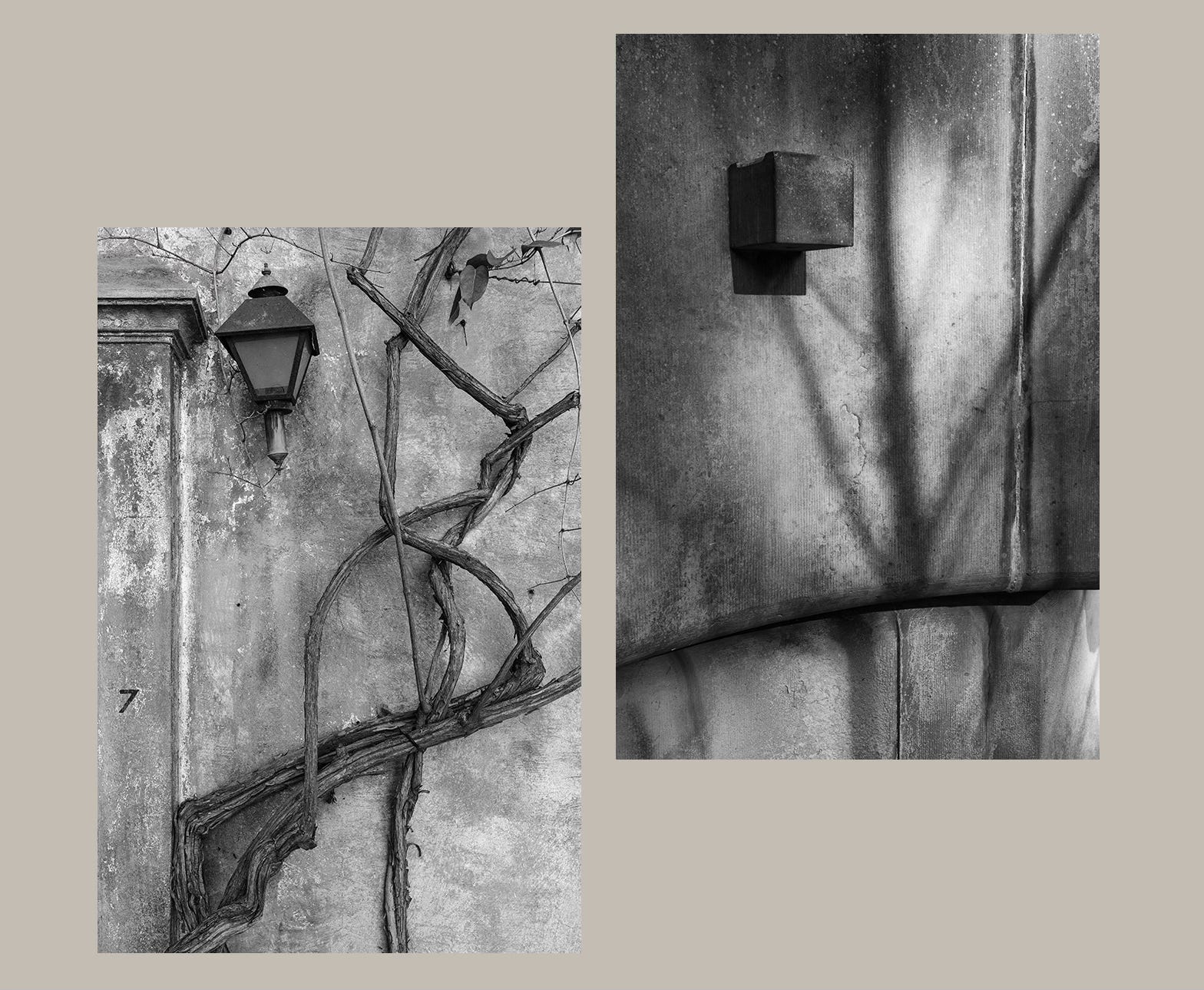
A much lighter, more playful response came from fellow photographer Todd Haughton. This is such a beautiful and playful image with similar elements, but a totally different feel to it. I think they pair quite well.
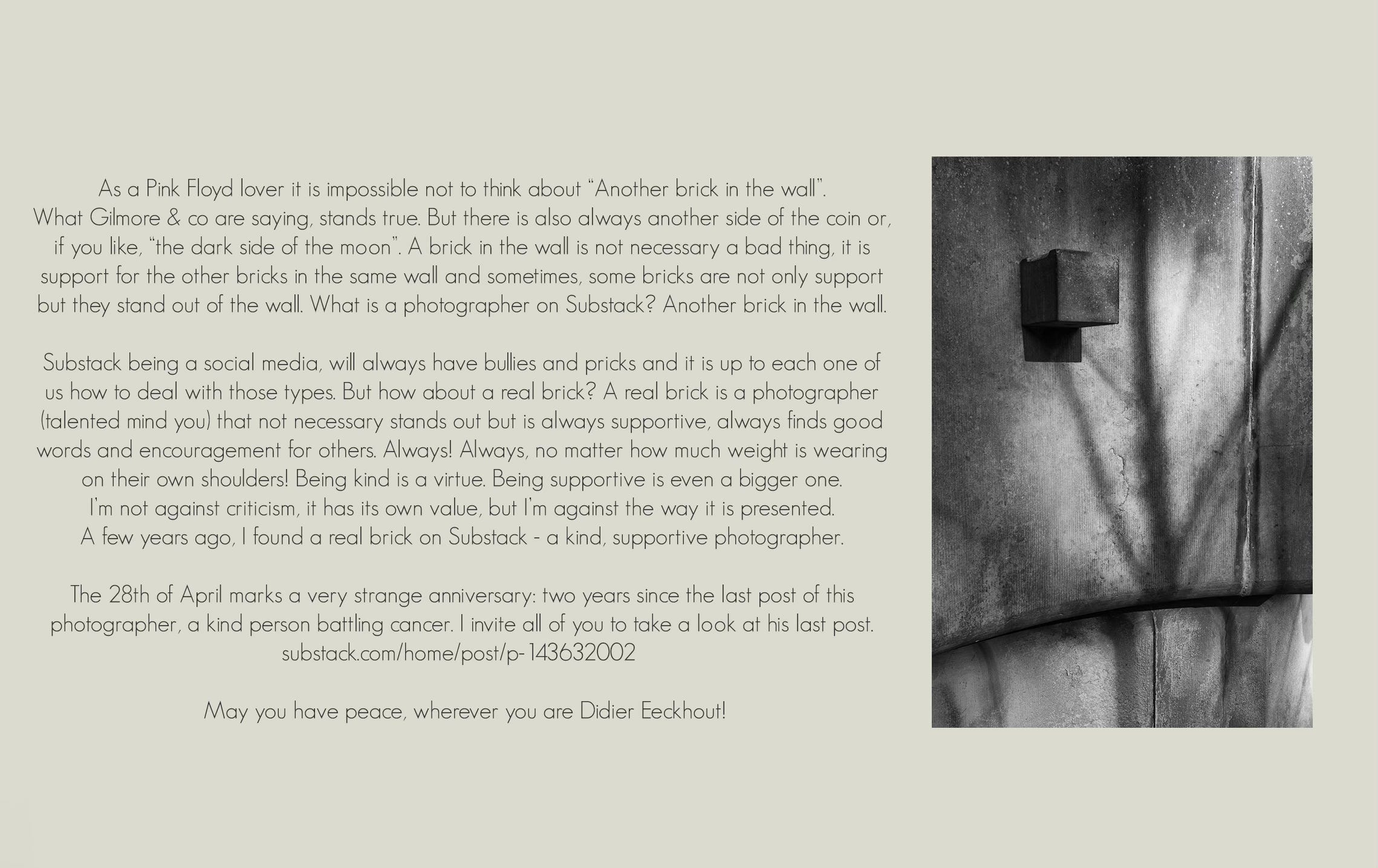
perfectlight reached out to me know he would like to collaborate on this image with me. Not with a visual response, but with words. That surprised me at first, given that his Substack is dedicated to photography. But when I read his text, it was no surprise to me anymore, because his Substack is more than just about photography - it is also about community and supporting each other.
In case the text is too small to read in the image, here it is again:
“As a Pink Floyd lover it is impossible not to think about “Another brick in the wall”. What Gilmore & co are saying, stands true. But there is also always another side of the coin or, if you like, “the dark side of the moon”. A brick in the wall is not necessary a bad thing, it is support for the other bricks in the same wall, and sometimes, some bricks are not only support but they stand out of the wall. What is a photographer on Substack? Another brick in the wall. Substack, being a social media, will always have bullies and pricks, and it is up to each one of us how to deal with those types. But how about a real brick? A real brick is a photographer (talented mind you) that not necessary stands out but is always supportive, always finds good words and encouragement for others. Always! Always, no matter how much weight is wearing on their own shoulders! Being kind is a virtue. Being supportive is even a bigger one. I’m not against criticism, it has its own value, but I’m against the way it is presented. A few years ago, I found a real brick on Substack - a kind, supportive photographer. The 28th of April marks a very strange anniversary: two years since the last post of this photographer, a kind person battling cancer. I invite all of you to take a look at his last post. substack.com/home/post/p-143632002 May you have peace, wherever you are Didier Eeckhout!”
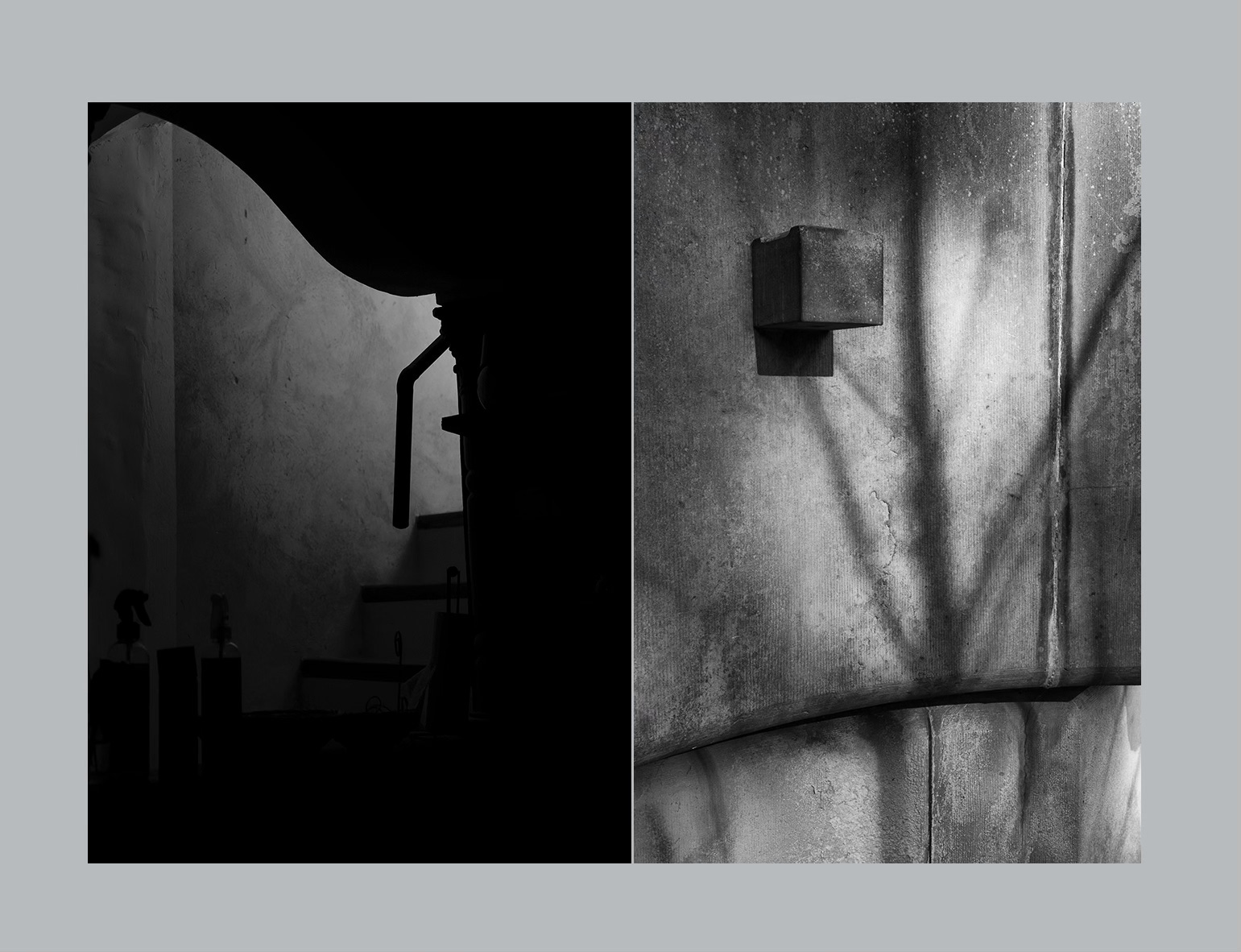
Where there is darkness, there is light, too.
Where there is despair, there is hope, too.
That’s what both images seem to tell me. Thank you for sending this beautiful photo, Crina Prida.
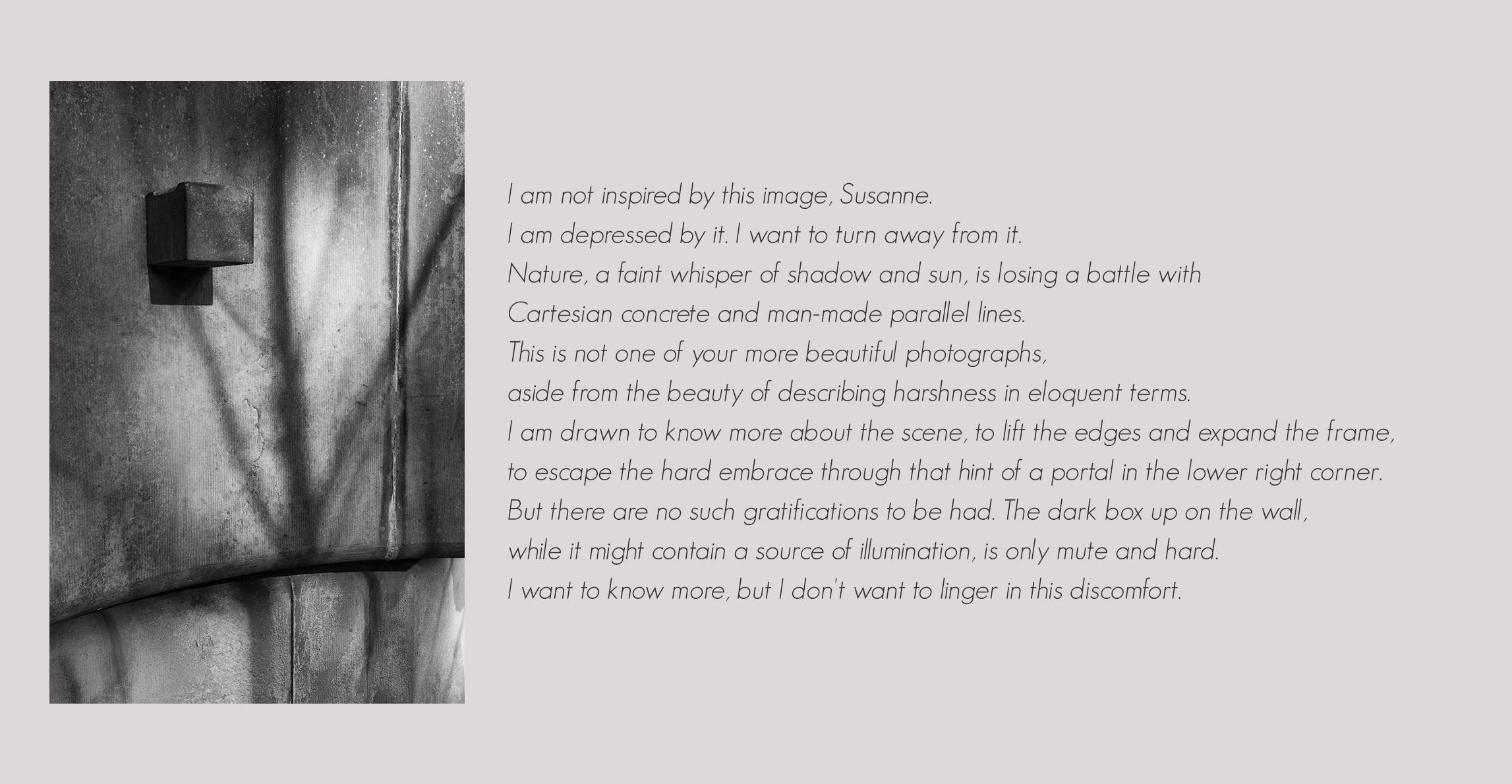
“I am not inspired by this image, Susanne. I am depressed by it. I want to turn away from it. Nature, a faint whisper of shadow and sun, is losing a battle with Cartesian concrete and man-made parallel lines. This is not one of your more beautiful photographs, aside from the beauty of describing harshness in eloquent terms. I am drawn to know more about the scene, to lift the edges and expand the frame, to escape the hard embrace through that hint of a portal in the lower right corner. But there are no such gratifications to be had. The dark box up on the wall, while it might contain a source of illumination, is only mute and hard. I want to know more, but I don’t want to linger in this discomfort.”
I received this message from George Slade, followed by a second one, hoping that his words might not have come across as harsh.
Harsh was the last thing that came to mind. Mostly, I was moved by his honesty and the rawness of his words, because they told me that George not only looked at, but also felt my image.
Even if sitting with the photograph had been an uncomfortable experience for George, sharing that reaction felt, to me, like a collaboration in the fullest sense. I asked George if I could share his words here, and I’m grateful he said yes.
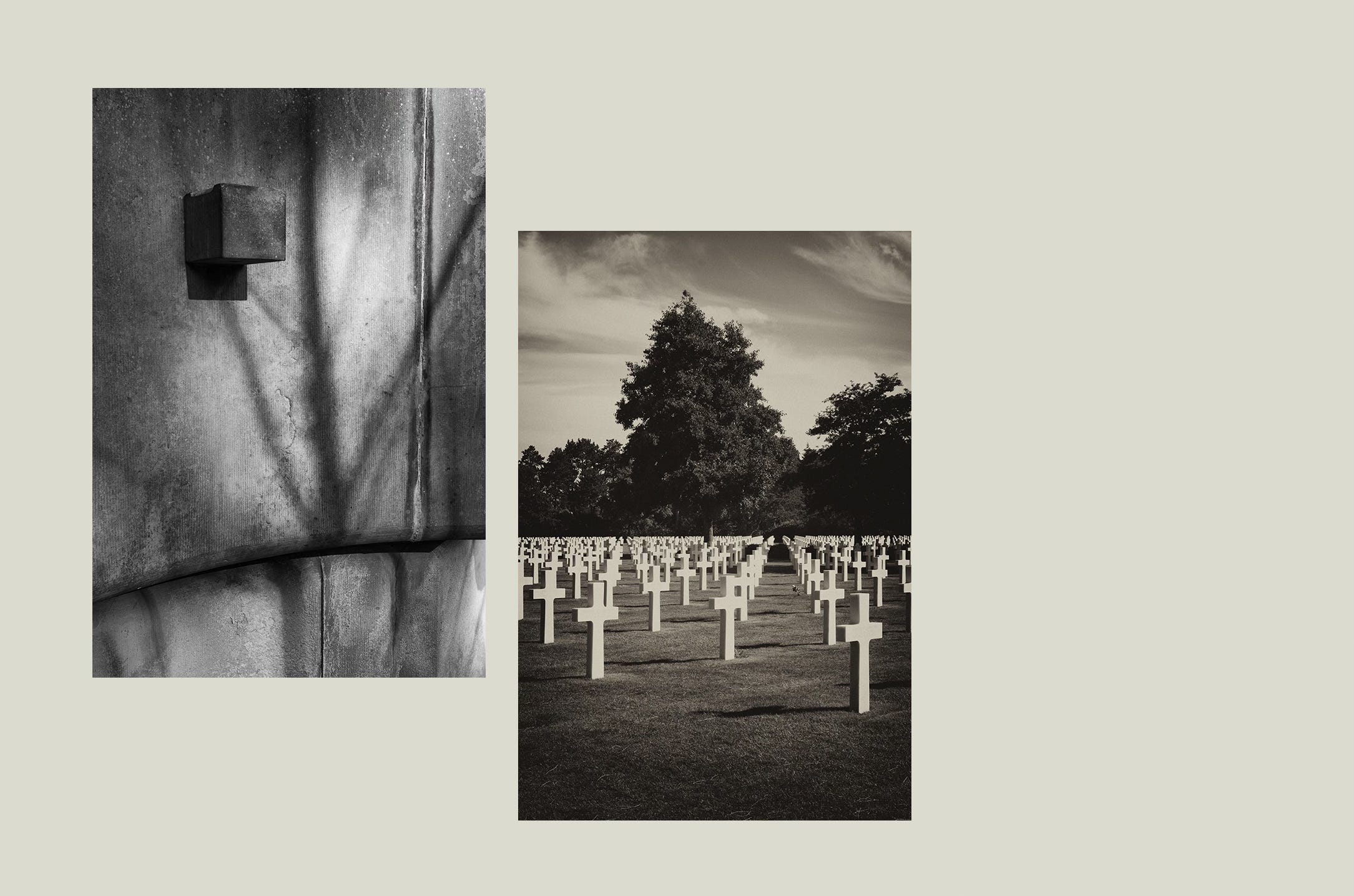
Marcel Borgstijn’s photograph shows a WWII memorial in Normandy. At the time he picked this photo as a response, he did not know that my photo was of the same subject (just a different place).
Where my image was made with little compositional intention, Marcel’s was anything but. He wrote:
“A frame divided exactly in half, with the bottom remembering the fallen and the upper half cherishing life. The tree trunk is the only part that connects the two halves. I believe this reflects the same mood as your photo.”
Intentional or not, they both work in their own ways.
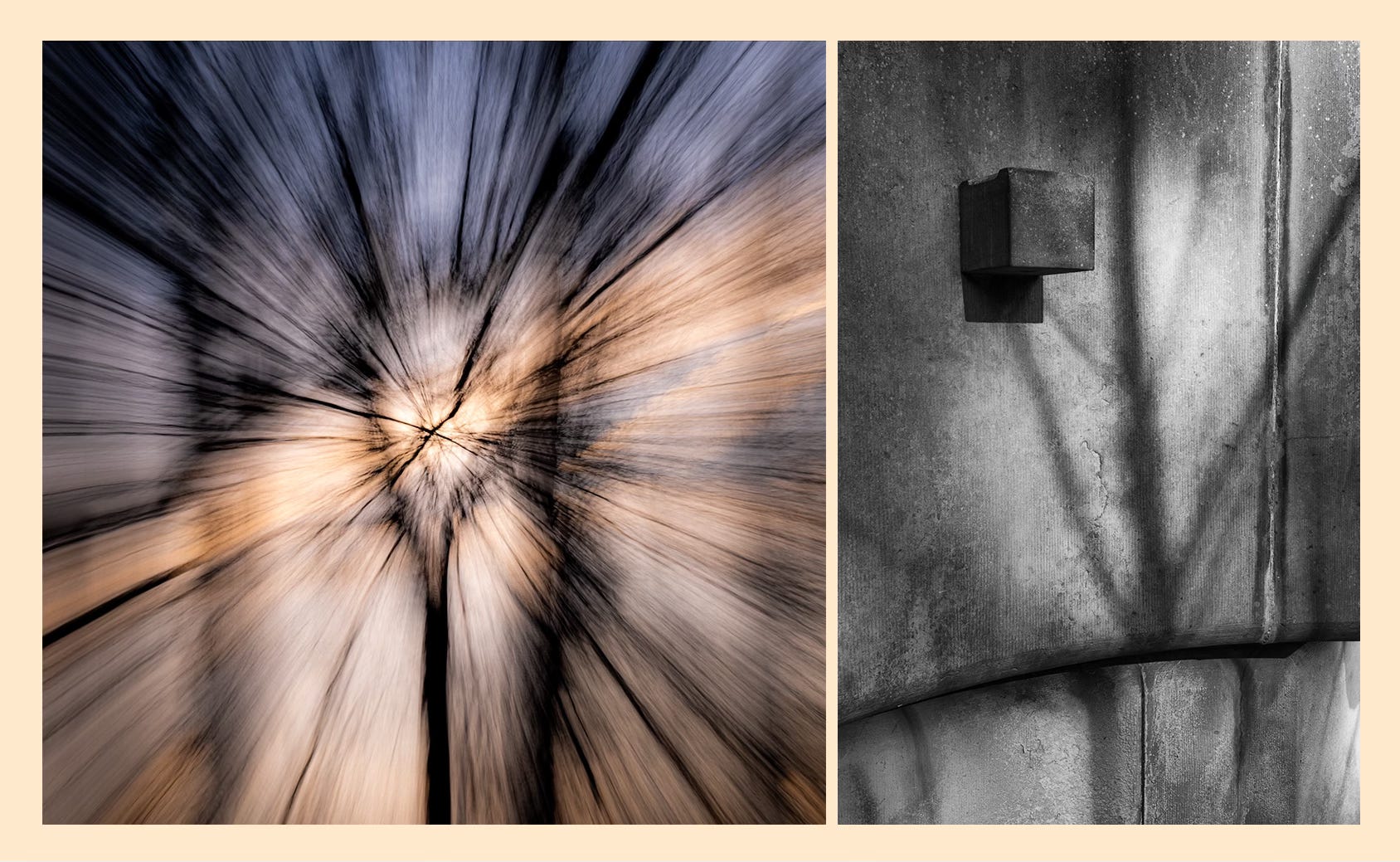
“I’m imagining turning around from the wall to see where the shadow is cast from and seeing this.”
That’s what J Callender Photography wrote when he shared this photo with me. Such an interesting approach to think about what might have been the source of the play of light and shadow in my photograph.
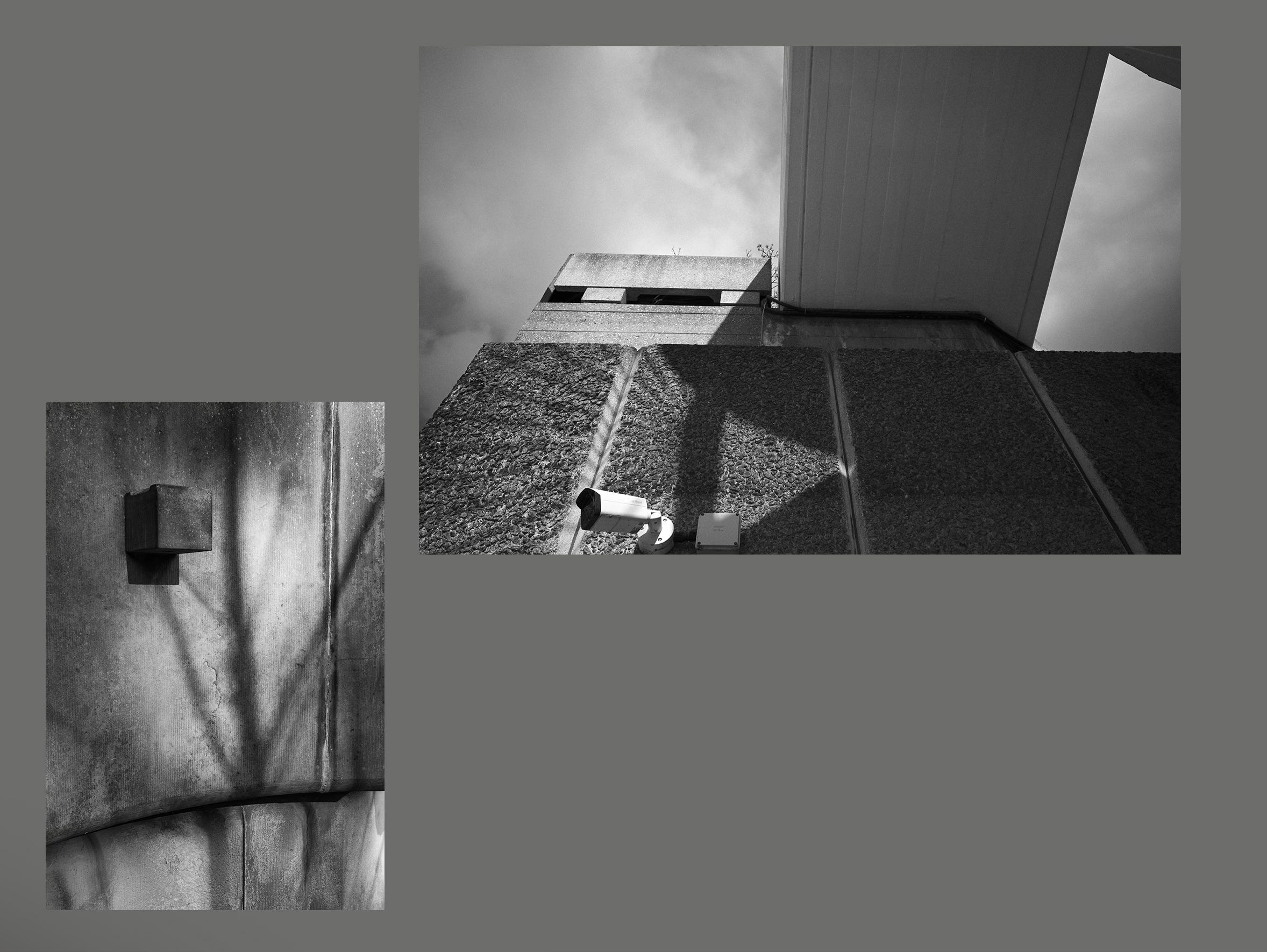
Bruno sent this photo as his response. There is an eeriness to it that, I think, my image shares. Both photographs could have been just around the corner from each other, maybe even on the same day. A few ideas come to mind when I see these photos together, but I will leave it up to you, the viewer, to come up with your own interpretation.
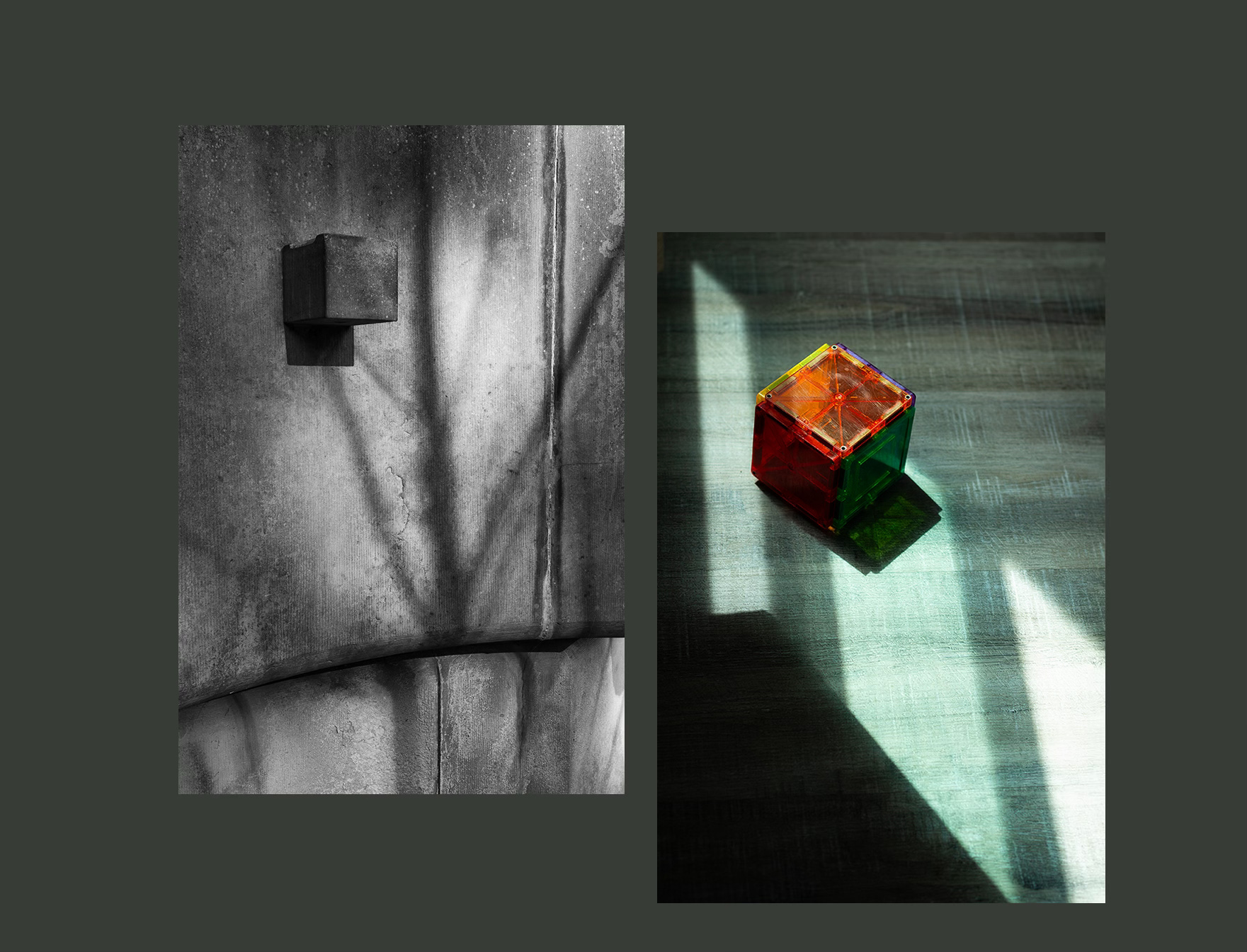
Unlike many of the other contributions, Sara Em’s photograph doesn’t echo the mood of my photo. It rather plays with the form and light, similar to mine. I am not sure whether it is the colour aspect, but Sara’s photo transforms mine into something more positive for me.
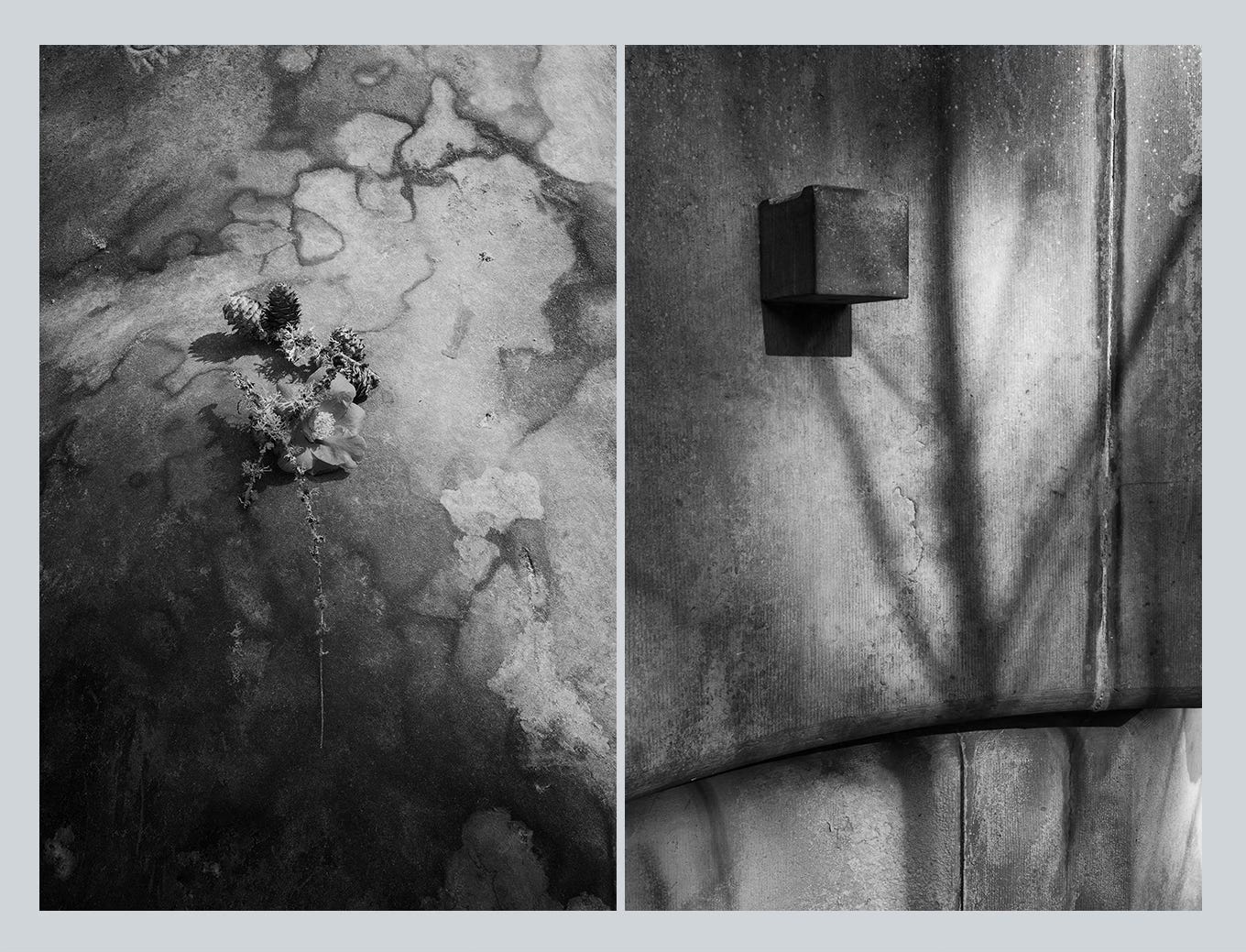
Lin Gregory's photograph, by contrast, mirrors the quiet contemplation my image carries. It too plays with light and darkness, and with beautiful curving patterns and texture. Knowing that my photograph is of a memorial, the flower arrangement in Lin's feels like a memento.
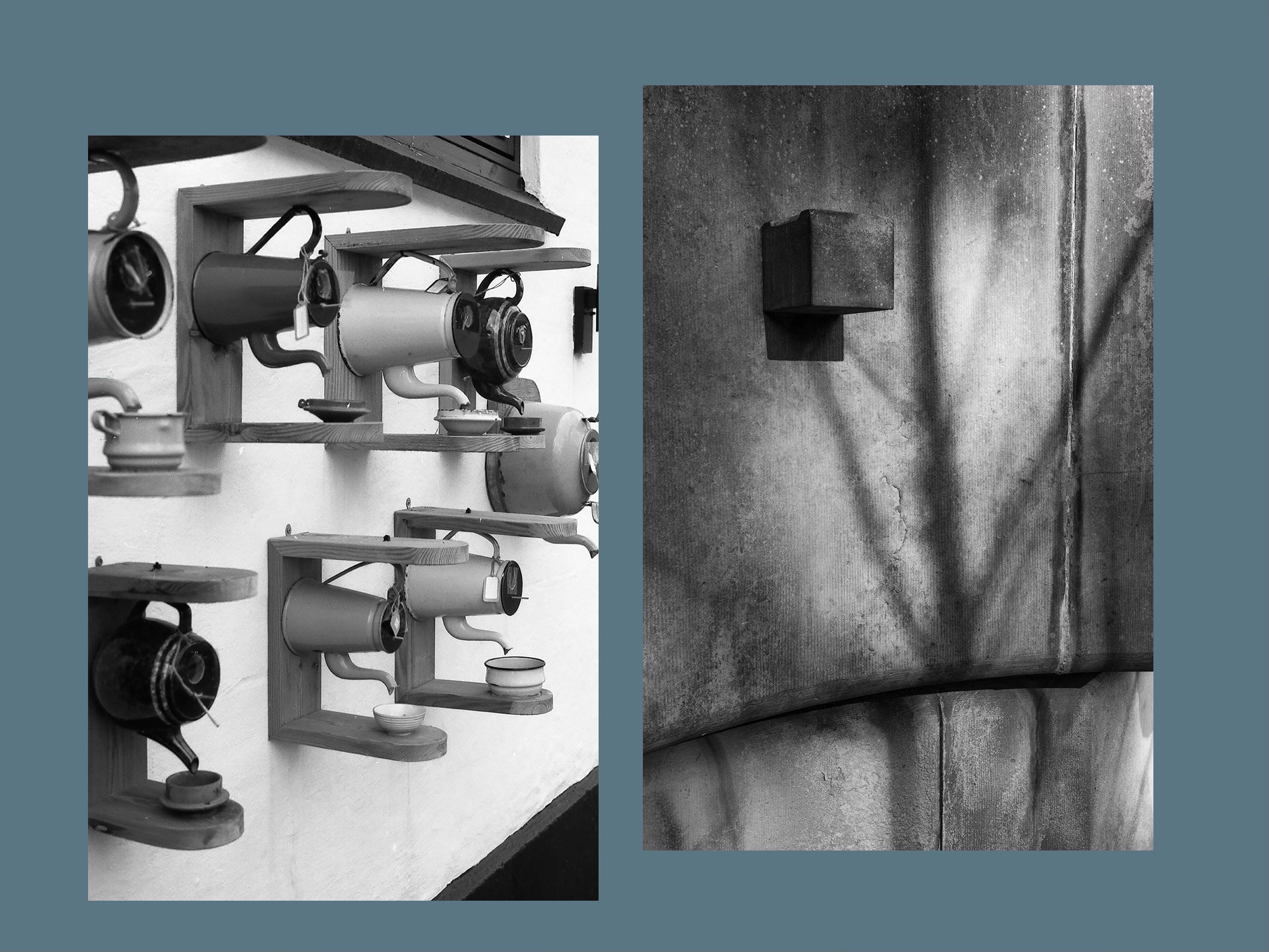
A little bird house - that’s what søren k. harbel saw in the little box in my photo. That is why he chose this fun photo of old coffee pots converted to birdhouses and water dishes. But Søren also told me that he picked this photo because he made it in Jutland - a part of Denmark I love to visit every year. Needless to say, this thoughtful response made smile.
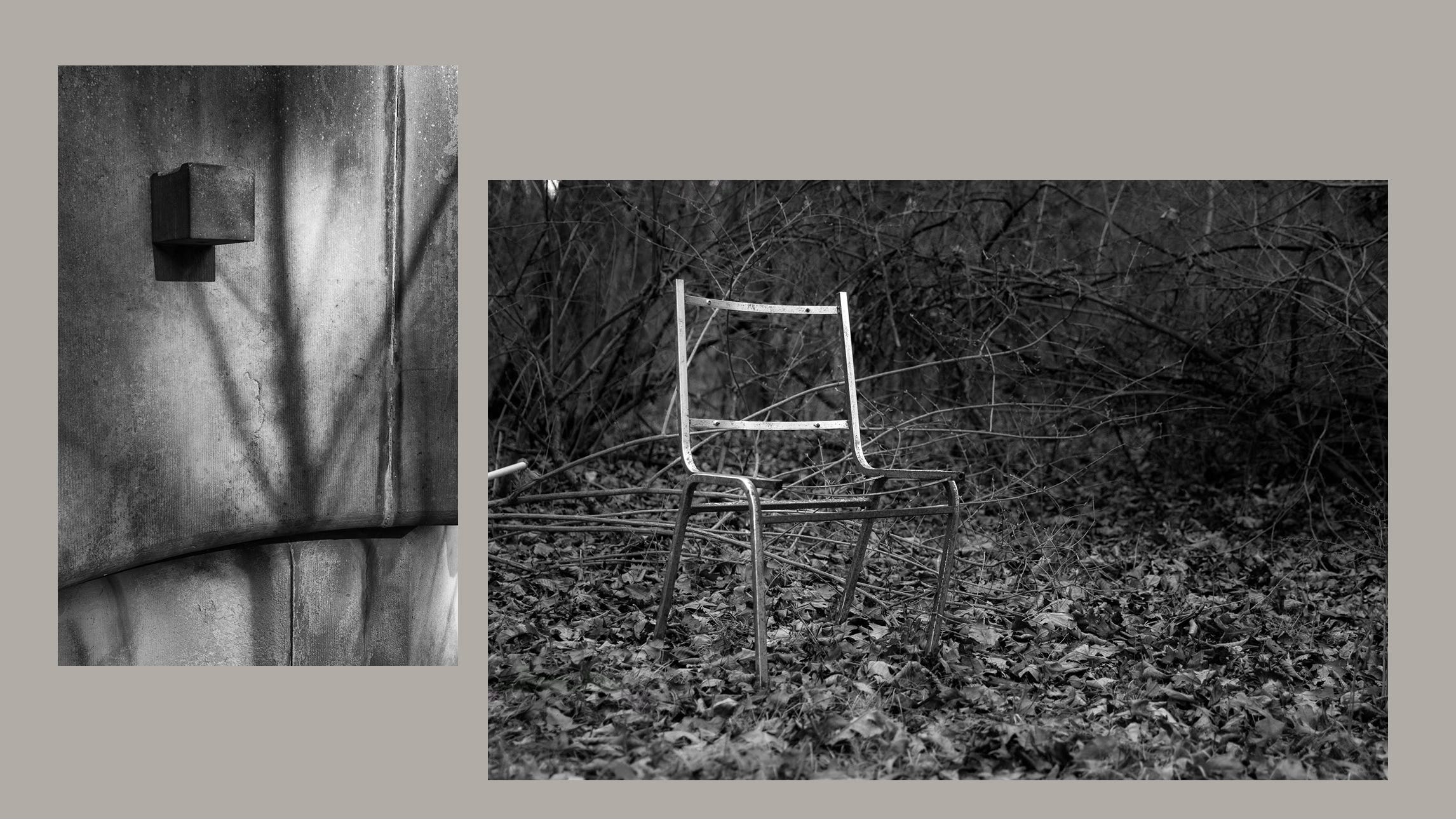
Rick Decorie ’s photograph resonates with me on more than one level. Not only because I love abandoned chairs, but also because it speaks to me on a personal level. I made my photograph during a difficult time. Rick’s photo visualizes for me how I felt during that time: Sad, out of place, broken. Perhaps that is why the two feel so right together.
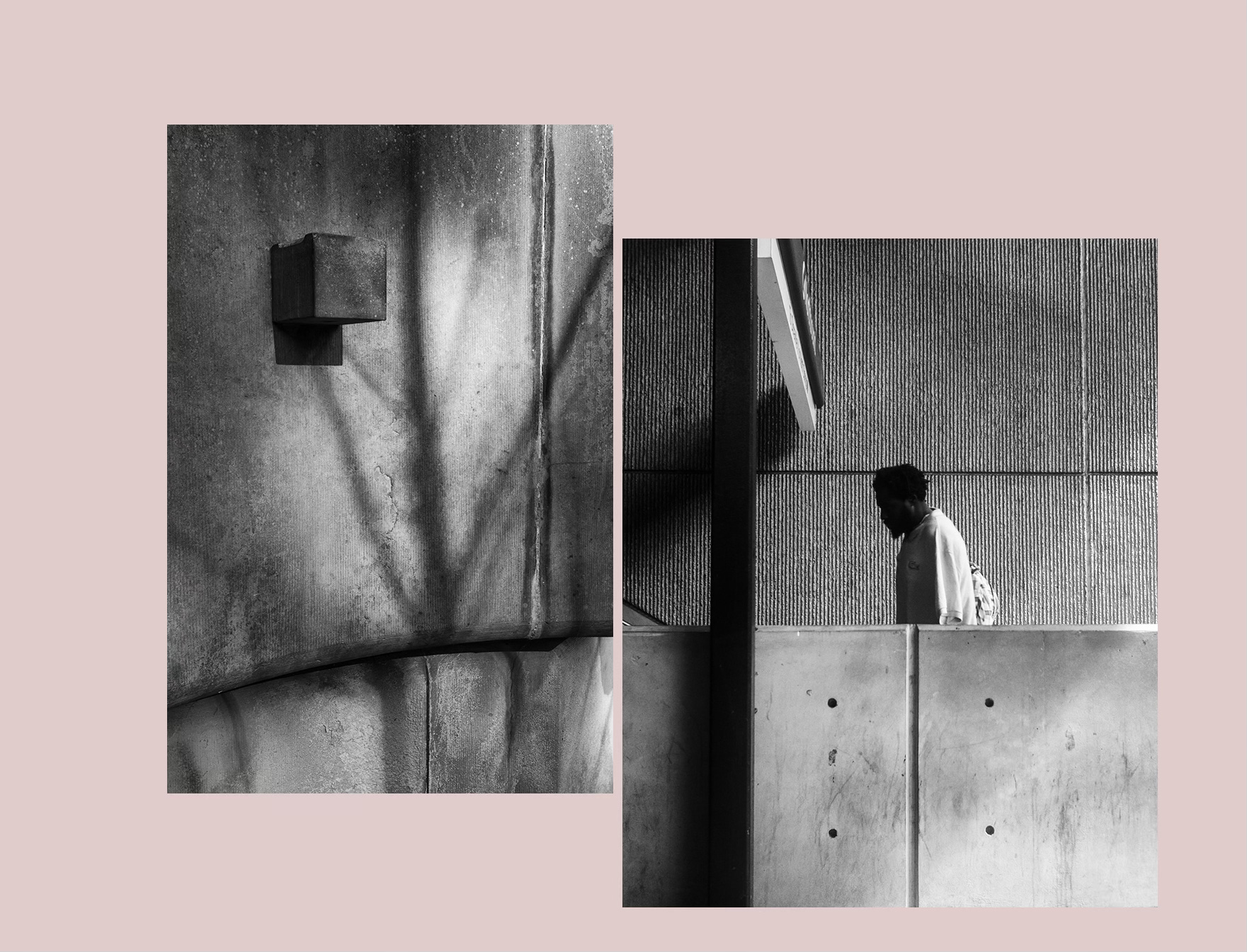
Last, but not least, is this interesting pairing. Juliette Mansour sent this street photograph, unsure if it would work for me. Not that it matters much whether it works for me, but it actually does very well.
Once again, there is a play with light and shadow on the concrete. But what I like most is the person who seems to walk from the light into darkness. His head and body tilted slightly, shifted forward, as if he were carrying more than just his backpack. Maybe something heavy on his mind or heart. And despite being a street scene, it has something quiet to it.
Well, that’s all fifteen responses.
I know it was a long one today. I hope you enjoyed it.
I would love to know what you think of this collaboration.
For me, it was fascinating to see how differently each person responded to the same image, and what they chose to send in return. Every single contribution made me see my own photograph in a slightly new way.
Another thing that revealed itself along the way: how one photograph can transform simply by what you place beside it — another image, or even just a few words.
That’s all from me today.
As always, thank you for being here! ❤️
X,
Susanne
WAYS TO SUPPORT MY MORNING MUSE
If you enjoy reading my weekly newsletter and would like to support my work, here are a few ways to help me keep going:
🪶 Like, share, or comment - it’s free and greatly appreciated
🪶 Upgrade to a paid subscription (only €5 per month)
🪶 Purchase one of my zines
🪶 Treat me to a cup of tea
Thank you so much!
Every image and every word attached to your call for collaboration is/are beautiful and inspiring. I'm moved by the words of perfectlight, I am touched by the poetry of Lin Gregory's image, the understated power from Juliette Mansour, and by the frank response from George Slade (very very strong response). I apologize for sending my image without a curated text, but my life is in a big dynamic workwise mostly, so thank you for accepting it just as is. You keep inspiring us, thank you for that as well.
Wow, truly fascinating result, Susanne. Love to see every photo, reasoning and your comment. This was a fun experiment. Thanks for bringing this community even closer together. Keep it up!